Gosh darn it! It’s friggin cold in the mornings as the seasons change, and my sleep schedule is falling out of whack! Luckily, I know how seasonal changes affect sleep. More importantly, I know how to get good sleep regardless!
Here, lemme tell you the secrets.
As you know, I’m a unique fitness coach since I believe a holistic approach makes health and fitness shockingly easy. One of those components that helps make everything better with less sacrificial effort is sleep.
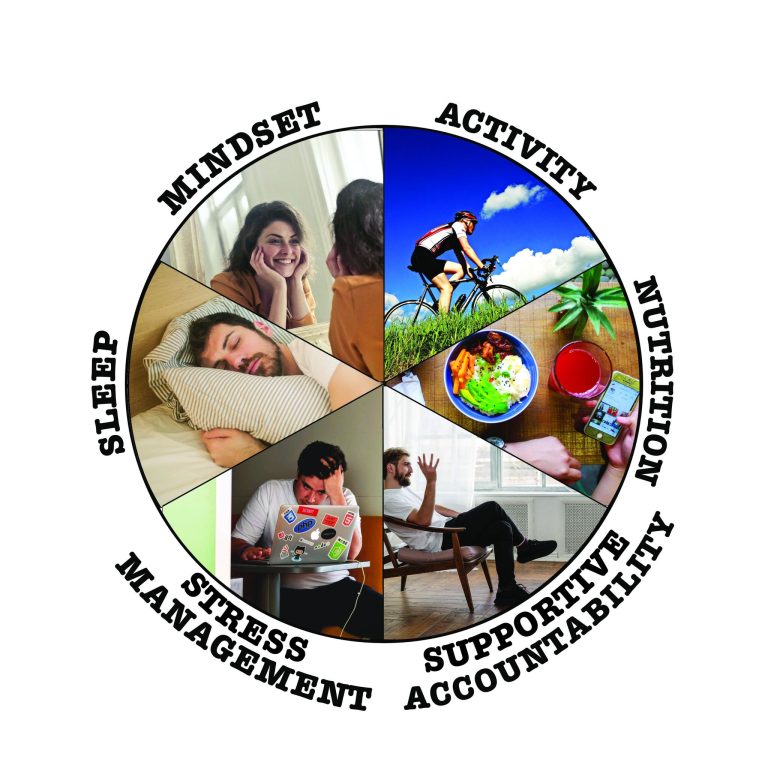
I’m convinced that sleep literally makes everything in life better. Matthew Walker, author of New York Times Best Seller Why We Sleep goes so far as to say “Every biological function is impacted by sleep; either significantly improved by good sleep, or demonstratively impaired with poor sleep.”
If you’ve listened to some episodes of my podcast, particularly episodes 132, 141, 113, 112, and 15 amongst others, you know I know a thing or two about sleep and how the body regulates sleep. (Spotify Link to my podcast, Apple Link to my podcast, or a link to my podcast page for more platform choices) The most prolific sleep regulating system people talk about is Circadian Rhythm, and it’s this one that gets the most wonky when seasons change.
The circadian rhythm, briefly, is essentially your body’s daily bioclock that regulates a ton of hormones and functions. There are three major factors that influence your circadian rhythm, and they are light, temperature, and habits/routines (triggers)
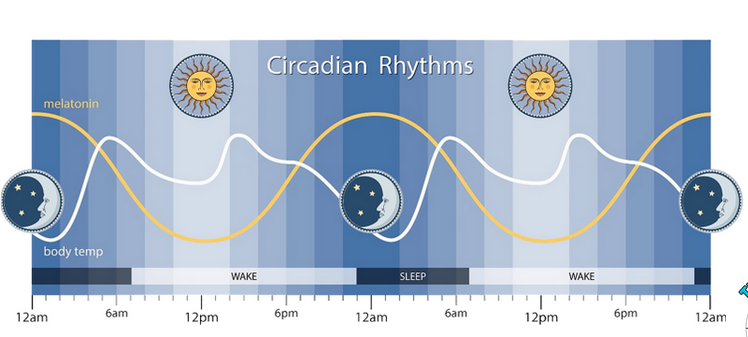
When the seasons change, we get hit with changes for at least 2 if not all 3 of those factors. Oftentimes, this makes it significantly harder to sleep consistently. Luckily, we live in a highly engineered artificial environment, so we can easily reverse these shifts.
(Unfortunately, we also live in a highly engineered artificial environment that usually puts us in a Winter/Survival season… you can learn more about that theory that makes the basis of the Thriving Body Model in this 5 minute video that breaks down my core health and fitness philosophy)
Let’s have a nitty gritty run down of how these factors affect circadian rhythm and your sleep.
How Circadian Rhythm Impacts Sleep
Light – Because we are visual dominant creatures, we naturally live and operate in the day time. Assuming we were cavemen still (our DNA tends to make that assumption even if our work and play schedules don’t). Really easy. When it’s bright, we want to be awake. When it’s dark, we want to be asleep.
Temperature – Natural light is created by the sun which also creates natural heat during the day. Likewise, when the sun goes away, things cool off. Our bodies evolved to expect the same thing. Cool temperatures make us sleepy, warmer temperatures wake us up (not including extreme heats that cause heat exhaustion or heat sicknesses).
Routines/Habits – To conserve energy, our bodies try to run on autopilot as often as possible. That means our brains create some If/Then protocols that then regulate the circadian rhythm. Some people always magically have to pee when they get to their front door after work, right? The mind sees the door, that triggers responses in the bladder, and now you drop off the keys and hit the can.
We can develop routines and triggers for any biological function (thanks, Pavlov!). Sleep is no exception. Some people have established sleep triggers, others have weak sleep triggers. But!! If you have a sleep trigger, that can help facilitate sleep.
How Seasons Affect the Circadian Rhythm (And how to control against it!)
Quick note… I’m just going to talk about the solstice seasons because they’re the extremes and show us more clearly how to adjust. The Spring and Fall are a mix of both summer and winter challenges and run a spectrum. Adjust as needed for whatever time of year you find yourself in.
Light – Summers have more light. Especially if you live in the north like I do.

In the summertime, we have the most light. Sunset can be really late, sometimes later than bedtimes. And the sun rises earlier, sometimes earlier than your alarm clock. This can make it harder to fall asleep at “night” but easier to wake up in the morning. In reverse though, in winter this can be easier to sleep at night, but harder to wake up in the dark “morning.”
To reverse this, you just need to control your light intake. A good quality curtain can block out evening light (ideally 60 minutes before bedtime with dim lights inside), and a sleep mask can help even further. For the winter, setting up an easy to reach light switch or lamp next to your bed can brighten up the mornings when needed.
Some new smart technologies allow for setting light “temperatures” (i.e.brightness) and even allow for preset gradual wake up lights in the morning. These are awesome technologies, but not perfectly necessary. Just do the best you can with what you got.
Temperature – In the summer temperatures are naturally higher. With circadian rhythm, this can make it tougher to fall asleep. The opposite is true in the winter. It’s chillier, and most people fall asleep pretty easily snuggled up in their cozy comforters. Waking up in the cold can be a big challenge though! That cold morning air makes the bed more comfortable and makes us more sleepy. Unfortunately, our bosses and lives rarely allow us to stay sleeping until the noon day sun heats us up.
To reverse these seasonal changes, we need to be much more mindful of our climate control, but clothing and bedding options can also help. Climate control is easy to understand. Setting fans or AC to counter the heat, and heaters to counter the cold. But clothing and bedding is less often considered.
Sleepwear can have an obvious impact on your sleeping temperatures. Pick something that feels appropriate for you and your comfort. Me, personally, I usually need a shirt in the winter, and bare in the summers.
(Weird Science tangent… Sleeping naked might be ideal for body composition and hormone health. But none of that effect is greater than the effect of getting good sleep. If pajamas help you sleep, then pajamas are better than naked buttcheeks)

Clothing can also play an important role in the winter for waking up. To get that much needed wake up warmth, it might be a good idea to keep an easy outer layer within quick reach of your bed. A heavy robe or a hoodie sweater works great hear (especially if you can hang it over a heater vent over night…. Oooh baby!
Bedding can also counteract the effects of seasonal temperature changes. To sleep cooler, a slick material like satin (or silk for you fancy pants people) may help out. These materials breath more and let heat disperse. For Winter time, the woolier materials like wool and flannel can trap in body heat keeping you from getting too cold.
In winter, you also have to consider continuing lower temps as you sleep. I know for me personally, I tend to wake up early early morning from being TOO COLD. This problem used to be exacerbated when my ex kept stealing the blanket in her sleep (you can see why she’s an ex now). To combat this, I keep a second blanket next to me so if I wake up early, I can roll it on top. (I also combated midnight chills with a breakup lol). Bonus points, if I don’t use the extra blanket, I can use it as an outer layer when waking up.
Routines – Sometimes when the seasons change, our routines change. This is most obvious in summer to fall. Vacations end, travel ends, late night jolility ends, and the return to work and school schedules bring a sudden shift in PM routines.
To counter that, maintaining a consistent 30-90 minute before bed routine can keep this from disrupting you. I always recommend spending some time doing some relaxing SCREEN FREE activity for 30-90 minutes before sleep. This can include oral hygiene, shower/bath, reading, light cleaning/tidying up, journaling, setting tomorrow’s to-do’s, or anything you find relaxing and not stimulating. My favorite is reading, but I’ve had clients do any number of things for their pre-bed routine. Heck, Jen regularly does Sudoku puzzles to help unwind before hitting the pillow.
Wrapping Up
Season changes can often create changes in light, temperatures, and routines. By being aware of how these affect circadian rhythm and what we need to be in alignment for to get good sleep, we can make adjustments all year long to get our best night sleep.
To sleep, stay cool.
To sleep, be dim (as in lighting, not intelligence).
To sleep, have routines and triggers that are consistent and relaxing.
To wake, be bright.
To wake, warm up.
To get your best sleep AND your best fitness (which leads to your best life), get coaching 🙂
You can get more information about coaching by dropping me a quick email at Steven@Thrivingbody.fit or by sending a note in our contact form at this link here